

Fear Not
Field Note: Faith, fear, and the quiet tension of keeping your line steady

He was born in November 1922, as the Roaring Twenties began to swell. The world was finding its rhythm, but he was drawn to quieter things, more in line with his tempo. Lines, sketches, and simple truths.
He loved the ‘funny pages’ more than any serious art. He loved gentle jokes and simple lines. His grandmother gave him a Bible for study, but he found his prayers in pencil lines. He signed his early sketches as Sparky.
Sparky grew up. The Great Depression came, and money was scarce. But he held to his dream. Then came a greater trial: war. He was drafted in 1943 and sent overseas. While he was away, heartbreak struck. His mother died of cancer.
When he returned, the war and the grief had left their mark. “I worry about almost all there is in life to worry about,” he once said.
Then, in 1948, something shifted. A quiet reconversion. He came to believe that God had protected him through the war and had given him the strength to survive.
He came to believe faith was something lived, not spoken. And man, could he draw. He started small: a comic strip for his church newsletter called Young Pillars. His cartoons appeared in The Saturday Evening Post. He created a strip called Li’l Folks, which was soon syndicated.
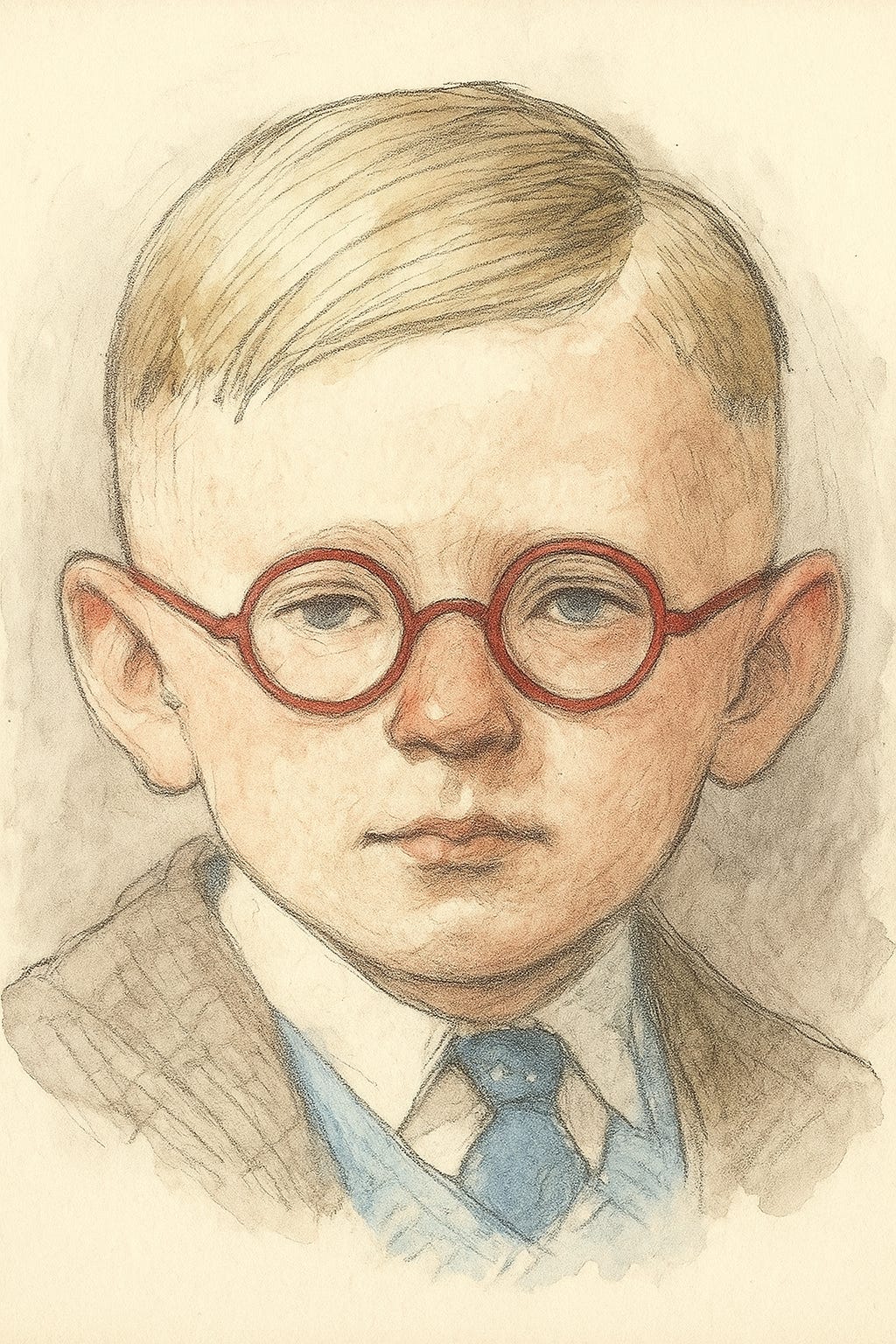
But Sparky wanted more. He dreamed of the big time, of joining the ranks of Walt Disney’s artists.
He took his sketches, his funny little people with big, adult worries, and presented them to Disney. And what did Disney say to the anxious young cartoonist, the man who would one day capture the heart of America?
No.
They turned him down. The magic kingdom had no room for Sparky.
His hands still bore the tremor of the trenches; the war had left a trace in his lines. As a result, his drawings became too sketch-like. Not smooth enough.
But that rejection didn’t stop him. It was, as he’d later write, good grief. And Li’l Folks soon became Peanuts, a name he never liked. It took off. Readers everywhere were drawn to his endearing characters and gentle, thought-provoking humour.
Years passed. The 1960s brought television, and with it, another challenge. CBS, a major American network, asked him to create a Christmas special. Sparky agreed, but with one condition. He would only do it if they let him include the story of Jesus’ birth.
Executives hesitated. They said it would slow down the show. It might offend some viewers. But Sparky refused to budge. “We must tell this story,” he said. “If we don’t do it, who will?”
He won.
And so, for decades now, families around the world have watched A Charlie Brown Christmas and heard the story of Jesus. The real story of Christmas, told in the voice of a small boy holding a security blanket.
Oh, I almost forgot! There’s a key moment that most people miss. The blanket. Linus drops it at the exact moment he says, “Fear not.”
Sparky knew the weight of fear. Anxiety. Rejection. He lived with it. Yet he never stopped drawing. He never stopped telling the truth. He believed cartooning was a kind of preaching. And through those small faces and simple lines, grace found its way onto the funny pages.
The anxious, shy boy, once turned away from the gates of the magic kingdom, gave the world Snoopy, Linus, and one of the most enduring theological questions of all time:
“Isn’t there anyone who knows what Christmas is all about?”
Sparky never did make his way into Disney’s magic kingdom. But the kingdom of heaven turned out to be the far better detour. One lined with grace, small faces, and a voice that still says, Fear not.
I didn’t know his story and you told it beautifully.